9 Best Open Source LogRocket Alternatives
A curated collection of the 9 best open source and self-hosted alternatives to LogRocket in 2026.
Looking for a free, privacy-friendly, or self-hosted replacement for LogRocket in 2026? The top open-source alternative is Sentry — Error tracking and performance monitoring for developers.
Other highly rated open-source LogRocket alternatives include OpenReplay, Highlight and OpenLLMetry.

Error tracking and performance monitoring for developers
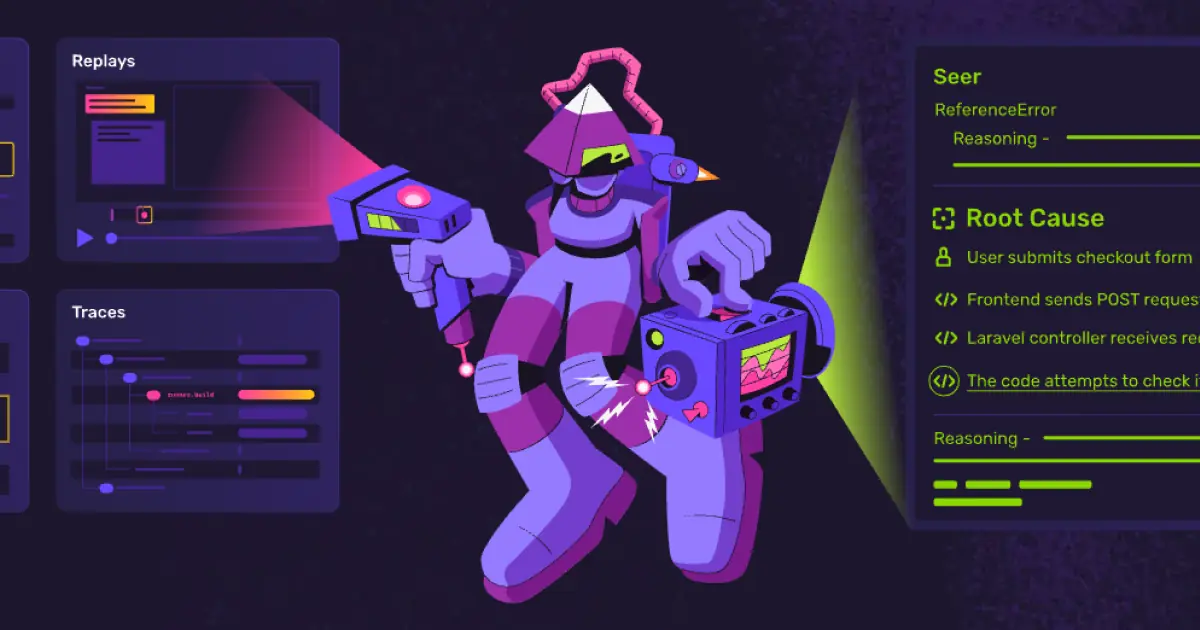
Sentry is a comprehensive error tracking and application performance monitoring (APM) platform designed for developers and software teams. It provides real-time visibility into errors, crashes, and performance bottlenecks across web, mobile, and backend applications. - Error Monitoring: Real-time error tracking with detailed stack traces and context - Performance Monitoring: Application performance insights with tracing and profiling - Session Replay: Visualize user sessions to reproduce and debug issues - AI-Powered Debugging: Seer AI agent for automated issue resolution and code review - Metrics & Monitoring: Custom metrics and uptime monitoring for proactive issue detection - Multi-Platform Support: SDKs for web, mobile, game, and AI applications - Integrations: Native integrations with GitHub, Slack, and other development tools - OpenTelemetry Support: Compatibility with OpenTelemetry standards Sentry offers both cloud-hosted and self-hosted options. The self-hosted version can be deployed on-premises or in private cloud environments, with support for Docker and Kubernetes. The open-source core provides full functionality, while enterprise features are available in paid plans.
Open-source session replay and product analytics platform you can self-host for complete control over data security, privacy, and compliance.
Open-source session replay and product analytics platform you can self-host for complete control over data security, privacy, and compliance.
Comprehensive monitoring solution offering error tracking, session replay, and performance insights for seamless debugging and optimization.
Comprehensive monitoring solution offering error tracking, session replay, and performance insights for seamless debugging and optimization.

Open-source observability for LLMs with OpenTelemetry
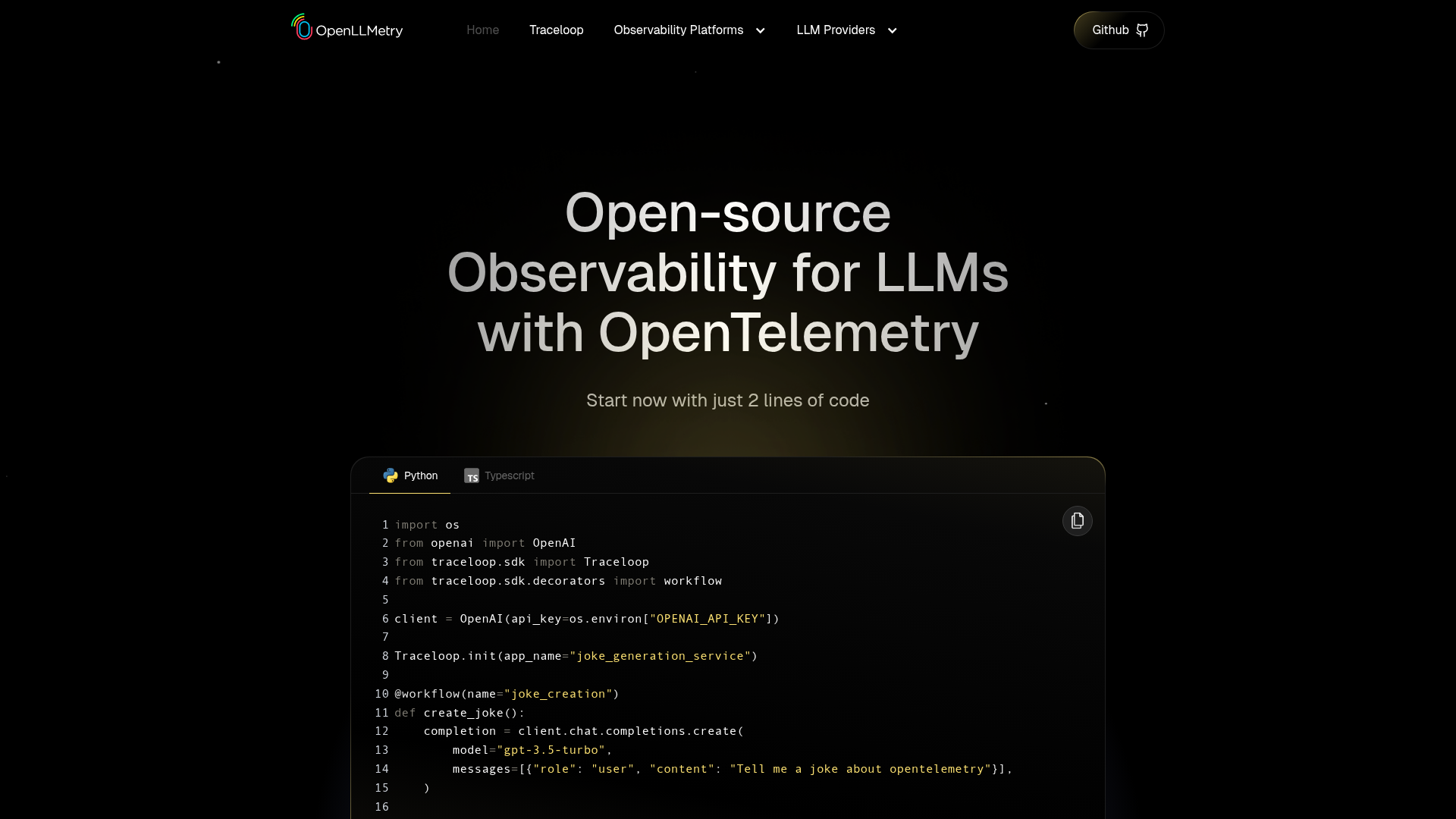
OpenLLMetry is an open-source observability platform designed specifically for Large Language Model (LLM) applications. It provides comprehensive tracking, monitoring, and debugging capabilities using the OpenTelemetry standard, enabling developers to gain deep insights into their LLM workflows. - LLM-Specific Instrumentation: Automatically captures and traces LLM interactions, including prompts, completions, and tool usage - OpenTelemetry Integration: Seamlessly integrates with existing OpenTelemetry-based observability stacks - Multi-Provider Support: Works with major LLM providers including OpenAI, Anthropic, Mistral AI, Cohere, and more - Multi-Platform Compatibility: Supports Python and TypeScript implementations - Trace Visualization: Provides detailed trace views for debugging complex LLM workflows - Performance Monitoring: Tracks latency, token usage, and error rates across LLM calls - Cost Optimization: Helps identify expensive LLM operations and optimize usage - Extensible Architecture: Modular design allows for custom instrumentation and extensions OpenLLMetry is open-source software that can be self-hosted. The project provides comprehensive documentation for deployment and configuration. It requires an OpenTelemetry-compatible backend for storing and visualizing traces, with support for popular platforms like Instana, Dynatrace, Grafana Tempo, Honeycomb, New Relic, Datadog, and Splunk.

Open-source LLM observability and monitoring platform
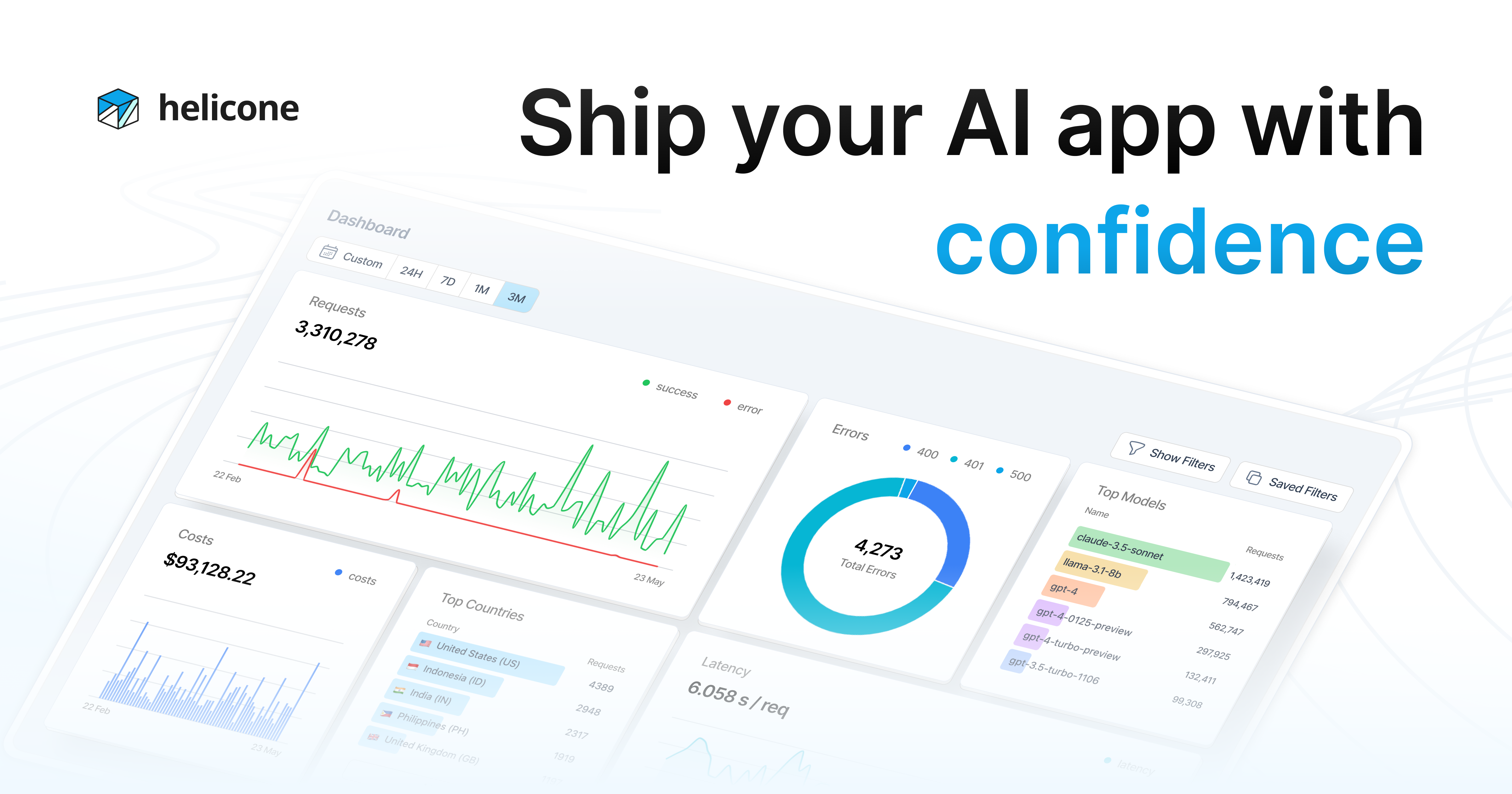
Helicone is the LLMOps platform powering the fastest-growing AI companies. It enables developers to route, debug, and analyze their AI applications with real-time observability, monitoring, and analytics. - LLM Observability: Real-time monitoring and debugging of LLM interactions. - AI Gateway: Route requests to multiple LLM providers seamlessly. - Analytics Dashboard: Track performance, usage, and costs across models. - Prompt Management: Store, version, and optimize AI prompts. - Rate Limiting & Alerts: Prevent abuse and get notified of anomalies. - Multi-Provider Support: Integrate with OpenAI, Anthropic, Azure, and more. - HQL (Helicone Query Language): Query and analyze AI interactions efficiently. - Datasets & Playground: Test and refine AI models with interactive tools. Helicone is open-source and can be self-hosted. It supports integration with major LLM providers and offers a cloud-based solution for ease of use. The platform is designed for scalability and reliability, making it suitable for both small projects and enterprise-level AI applications.

AI observability platform for LLMs and apps
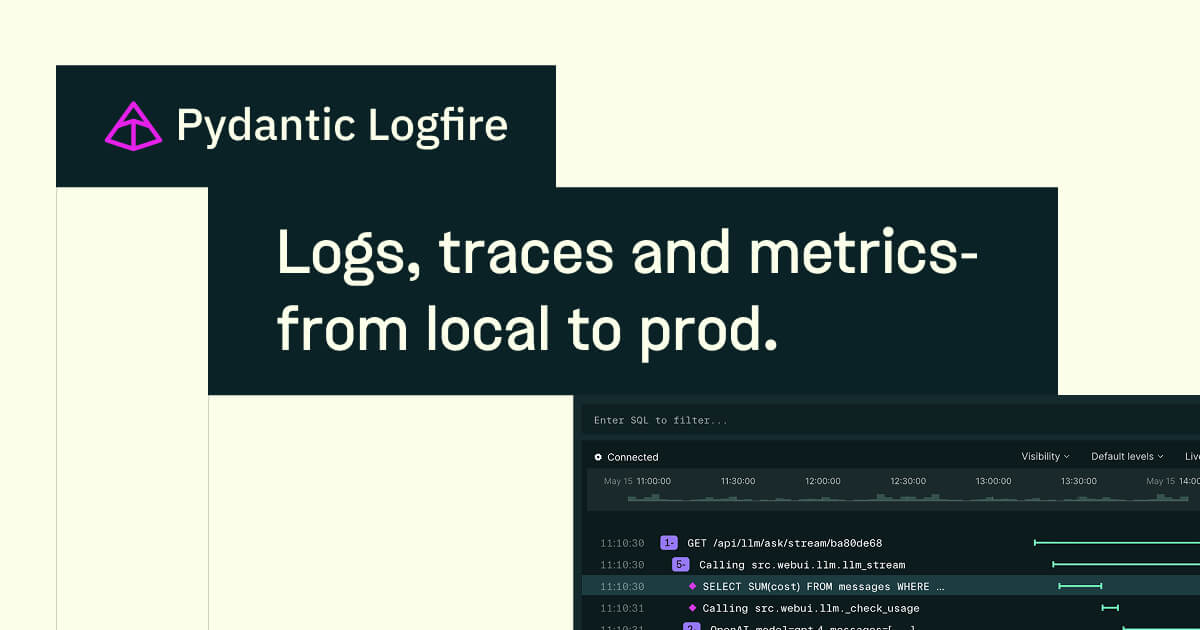
Pydantic Logfire is a production-grade observability platform designed specifically for AI applications, agents, APIs, and databases. Built on OpenTelemetry, it provides comprehensive monitoring across your entire stack, not just LLM calls. - Whole-App Tracing: Trace model calls, agent steps, API requests, and database queries in a single timeline - Multi-Language Support: SDKs for Python, JavaScript/TypeScript, and Rust with OpenTelemetry compatibility for other languages - Evals & Scoring: Built-in evaluation framework that runs alongside your application logic - Cost Tracking: Monitor and optimize AI application costs in real-time - PII Scrubbing: Automatic sensitive data redaction in SDKs - Postgres-Flavored SQL: Query spans directly using familiar SQL syntax - Live Debugging: Real-time monitoring of production services with error rates, latency, and traces - Self-Hosting Option: Deployable on your own infrastructure - OpenTelemetry Foundation: Built on industry-standard observability protocols - Self-Hosted Deployment: Available for on-premises or private cloud deployments - Compliance: SOC 2 Type II, HIPAA, and EU data residency compliant - Integration: Seamless integration with existing monitoring and logging systems

Self-hosted error tracking for developers
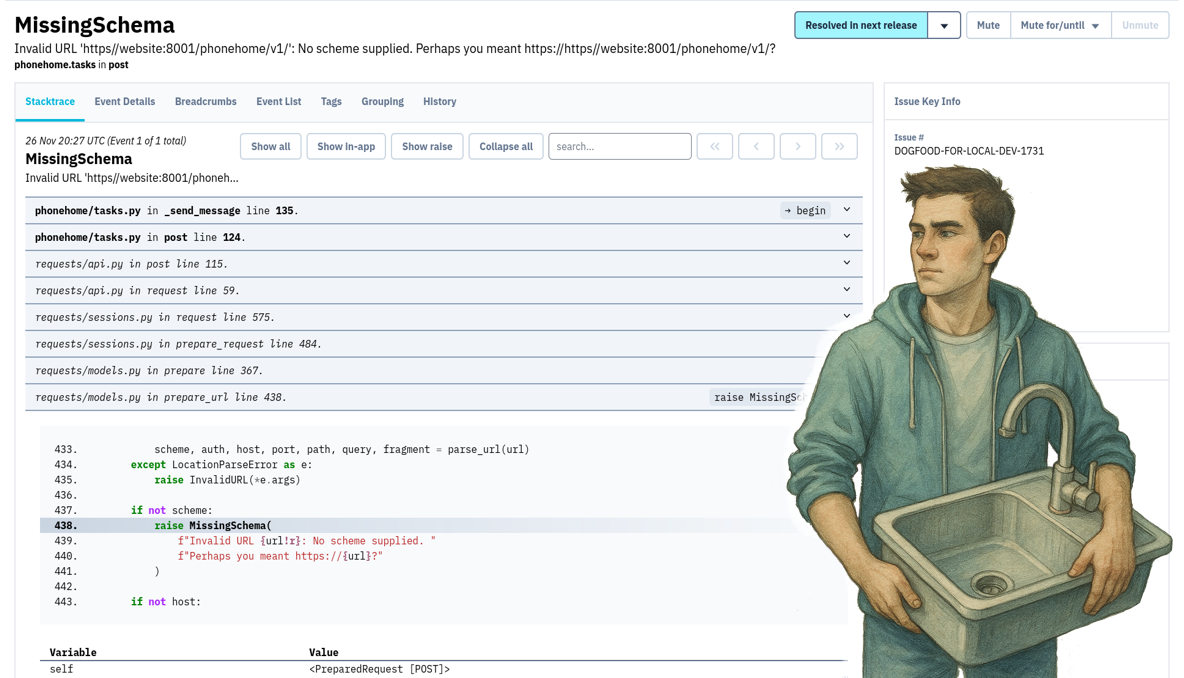
Bugsink provides developers with clear insights into production failures by capturing full stacktraces, local variables, and error context. Designed for self-hosting or managed hosting, it offers Sentry SDK compatibility and predictable pricing at scale. - Full Stacktraces & Local Variables: See exactly why your code failed with complete error context. - Sentry SDK Compatibility: Drop-in replacement for Sentry SDKs across Python, JavaScript, Ruby, PHP, Java, Go, Rust, and more. - Self-Hosting & Managed Hosting: Run on your own servers or use Bugsink’s EU-hosted service with GDPR compliance. - Predictable Costs: No per-event billing; scale to millions of events affordably. - Automatic Issue Grouping: Reduces noise by grouping related errors into manageable issues. - Alerting: Get notified when errors occur via email, Slack, or other integrations. - ARM Compatibility: Works seamlessly on ARM-based servers. - Quick Setup: Deploy in minutes with Docker or Kubernetes. Bugsink is open-source and can be self-hosted on your own infrastructure. It supports Docker and Kubernetes deployments, with detailed installation guides available. The platform is built for scalability and works with existing Sentry SDKs, making migration seamless. For managed hosting, Bugsink offers a GDPR-compliant EU-based service with instant setup and predictable pricing.

Self-hosted visual bug reporting tool
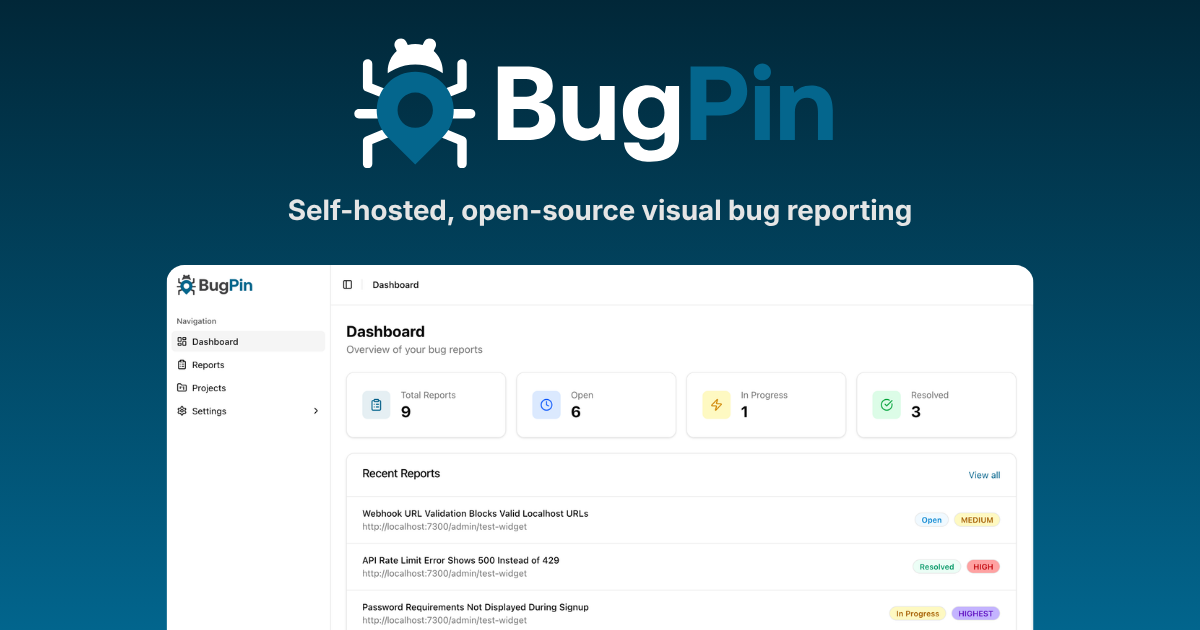
BugPin is a self-hosted visual bug reporting tool designed to streamline issue tracking for web applications. It embeds a lightweight widget into your site, allowing users to capture screenshots, annotate issues, and submit detailed reports with console errors, network logs, and browser metadata. - Visual Bug Reporting: Capture full-page or visible area screenshots directly from your web application with built-in annotation tools (pen, rectangle, circle, arrow, text, and privacy blur). - Automatic Data Collection: Each report includes console errors, network logs, and browser metadata for comprehensive debugging. - Self-Hosted & Private: Deploy on your own servers with a simple SQLite database and Docker setup. No external dependencies or cloud required. - Lightweight Widget: Under 150KB gzipped, loads asynchronously, and uses Shadow DOM for style isolation to avoid slowing down your app. - Offline Support: Reports are cached locally and automatically submitted when connectivity is restored. - Easy Integration: Add BugPin to your site with a single script tag and customize the widget appearance and webhooks. - Open Source: Free Community Edition with optional Enterprise upgrades for SSO, webhooks, or white-label branding. BugPin is built with modern web technologies and designed for easy self-hosting. It supports Docker deployment and uses SQLite for data storage, making it ideal for privacy-conscious teams. The tool is GDPR-compliant and does not rely on external AI models, ensuring data remains under your control.

Cross-platform keystroke launcher
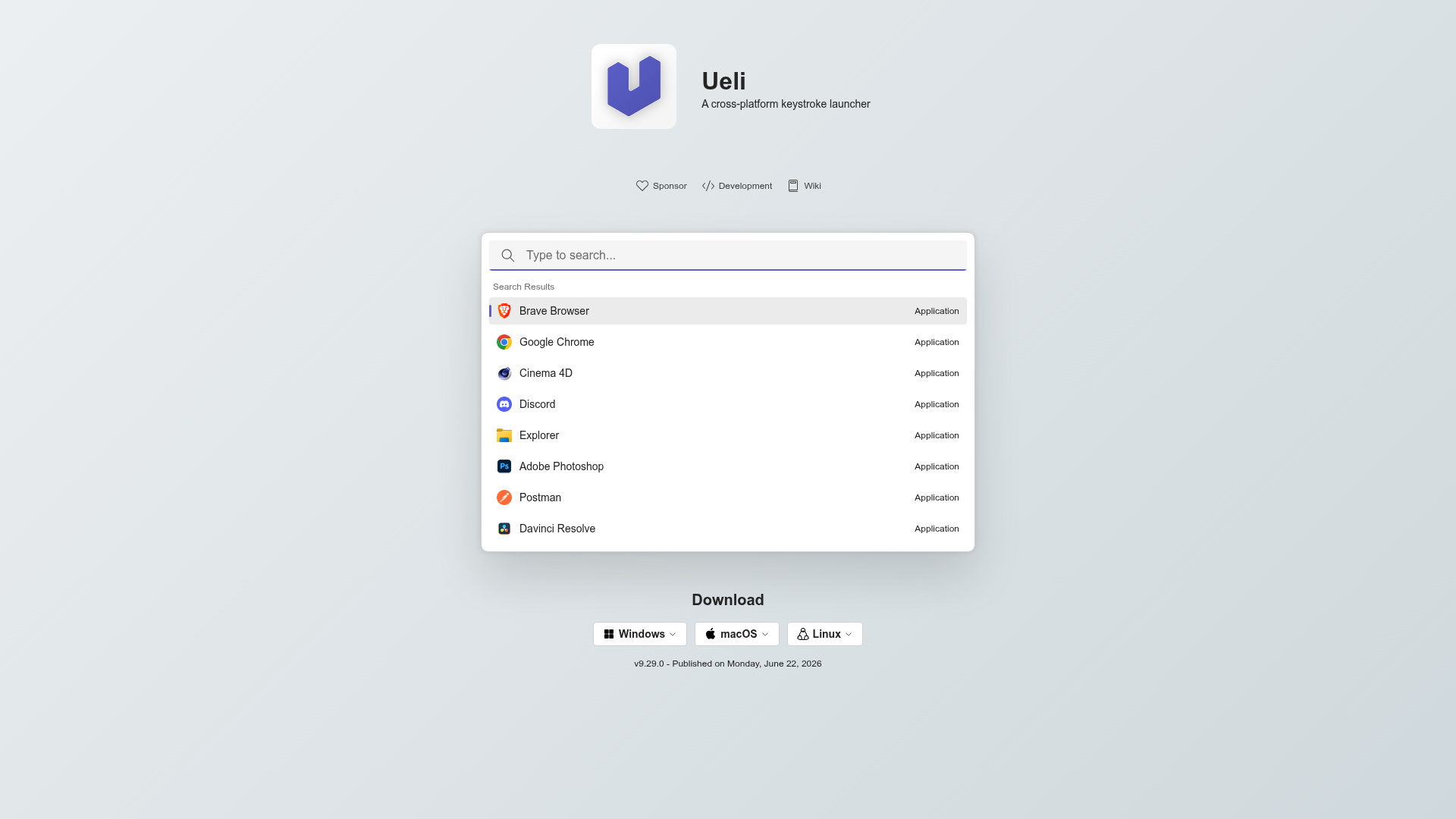
Ueli is a fast and highly customizable keystroke launcher designed to enhance productivity across multiple platforms. Whether you're on Windows, macOS, or Linux, Ueli provides instant access to applications, files, folders, and commands with just a few keystrokes. - Cross-platform support: Works seamlessly on Windows, macOS, and Linux. - Customizable workflows: Create custom search queries and actions tailored to your needs. - Plugin ecosystem: Extend functionality with plugins for browsers, development tools, and more. - Lightweight & fast: Minimal resource usage for instant performance. - Open-source: Fully transparent and community-driven development. - Keyboard-driven: Operate entirely via keyboard shortcuts for maximum efficiency. - Search everything: Quickly find and launch applications, files, and commands. - Extensible: Add custom scripts and integrations to fit your workflow. Ueli is a desktop application that runs locally on your machine. No server or cloud dependency is required. The application is open-source and can be self-hosted by building from source or using pre-built binaries available for all major platforms.
About LogRocket
LogRocket is an AI-powered platform that helps development and product teams understand and resolve user issues faster. By combining session replay, error tracking, and product analytics, it provides deep insights into user behavior and app performance.
Key Features of LogRocket
- AI Session Replay: Proactively identifies and surfaces issues impacting users with reproduction steps and severity analysis.
- Product Analytics: Build conversion funnels, path analysis, and timeseries to understand user behavior and surface insights with Galileo AI.
- Error Tracking: Detects frequent errors, network failures, and crashes, prioritizing problems that need immediate attention.
- Frontend Performance Monitoring: Correlates frontend performance with user experience impact, providing telemetry for debugging and performance measurement.
- UX Analytics: Visualizes user experiences at individual and aggregate levels, combining qualitative and quantitative insights.
- Galileo AI: AI assistant that watches every session, analyzes issues, and delivers actionable reproduction steps for faster resolution.
Tech / Self-Hosting
LogRocket is a cloud-based SaaS platform and does not offer self-hosting options. It is designed for ease of use with seamless integration into existing workflows.