
Chroma
Fast, scalable search infrastructure supporting vector, full-text, regex, and metadata search. Built on object storage and trusted by millions of developers.
Chroma is an open-source alternative to:


Chroma
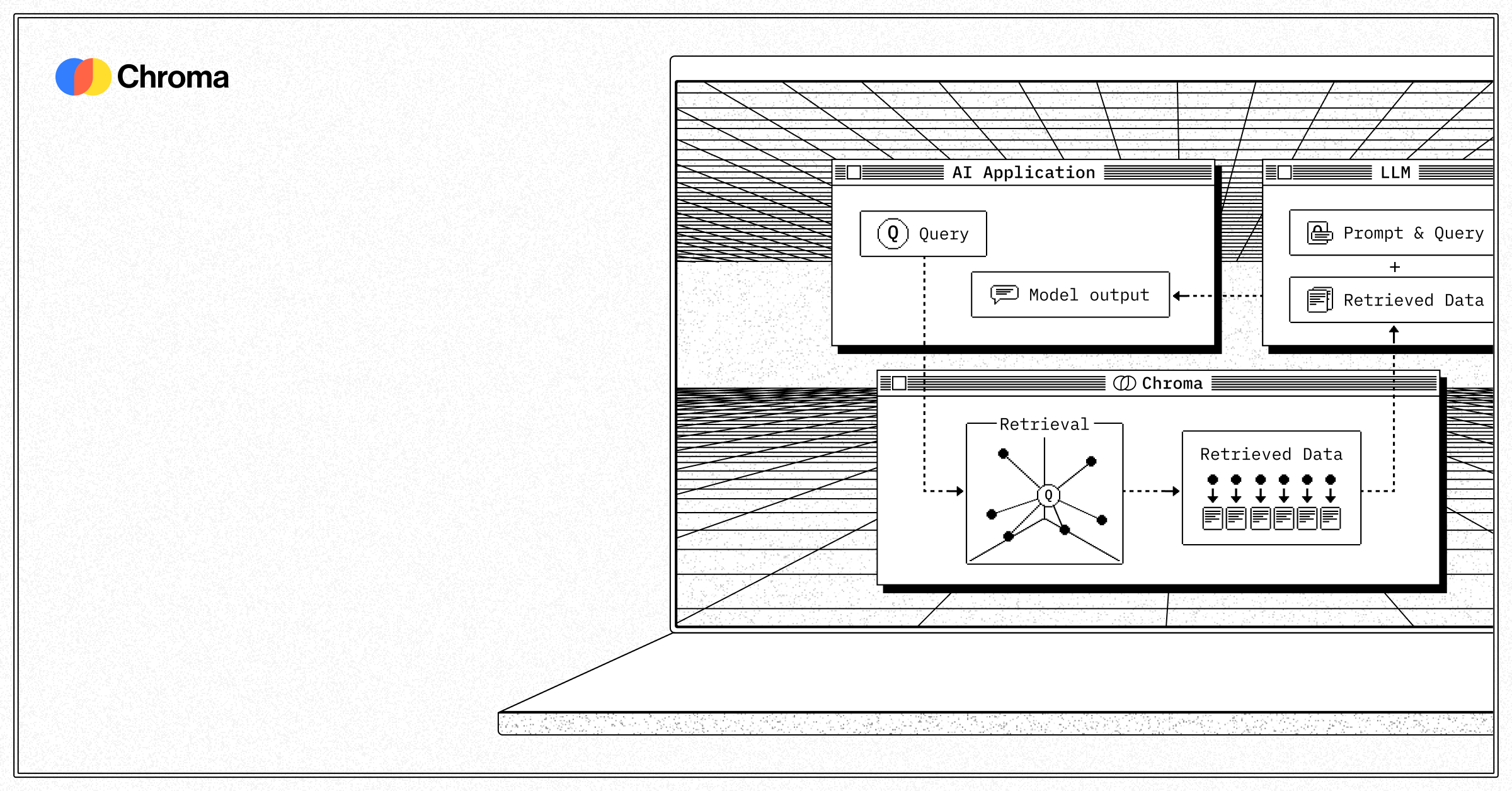
Chroma is the open-source search infrastructure for AI, designed to provide fast, scalable, and cost-effective search capabilities. Built on object storage, Chroma supports vector, full-text, regex, and metadata search, making it ideal for AI applications requiring low-latency and high-performance search operations.
Key Features
- Multi-modal search: Supports vector, full-text, regex, and metadata search in a single system.
- High performance: Achieves p50 latency of 20ms and p99 latency of 57ms for warm queries.
- Scalability: Handles billions of records across multi-tenant indexes with automatic data tiering.
- Cost efficiency: Built on object storage with automatic tiering, reducing costs by up to 10x compared to legacy systems.
- Zero-ops infrastructure: Auto-scales with usage, eliminating manual tuning and operational overhead.
- Enterprise-ready: SOC 2 Type II compliant, supports BYOC in your VPC, and offers multi-cloud/multi-region deployments.
- Developer-friendly: Provides CLI tools, TypeScript, Python, and Rust SDKs for seamless integration.
- Data versioning: Supports dataset versioning, A/B testing, and roll-outs for robust experimentation.
Tech / Self-Hosting
Chroma is open-source (Apache 2.0) and can be self-hosted on any infrastructure. It is designed to leverage object storage (S3, GCS) for cost-effective scalability. The system automatically tiers data between hot (memory/SSD) and cold (object storage) layers, optimizing both performance and cost.
For enterprise needs, Chroma offers dedicated clusters with customizable scaling and security compliance. The platform is SOC 2 Type II certified and supports Bring Your Own Cloud (BYOC) deployments within your VPC.
Supported SDKs: TypeScript, Python, Rust
Deployment options: Self-hosted, Cloud (serverless), Dedicated clusters
Enterprise features: SOC 2 Type II compliance, BYOC, multi-cloud/multi-region support