8 Best Open Source Braintrust Alternatives
A curated collection of the 8 best open source and self-hosted alternatives to Braintrust in 2026.
Looking for a free, privacy-friendly, or self-hosted replacement for Braintrust in 2026? The top open-source alternative is Langfuse — Open source AI agent observability platform.
Other highly rated open-source Braintrust alternatives include Arize Phoenix, Latitude and Agenta.

Open source AI agent observability platform
Langfuse is an open-source platform designed to help teams trace, evaluate, and improve AI agents. By leveraging production data, it provides deep insights into agent behavior, enabling teams to collaborate on fixes and optimize performance for better quality, reduced costs, and lower latency. - LLM Observability: Monitor and debug AI agent interactions in real-time with detailed traces and logs. - Prompt Management: Centralize and version control prompts for consistent AI outputs. - Evaluation & Metrics: Assess agent performance using built-in evaluation tools and custom metrics. - Collaboration Tools: Share insights and collaborate on fixes with your team. - Self-Hosting Support: Deploy Langfuse on your infrastructure using Docker, Kubernetes, or cloud providers (AWS, GCP, Azure). - Scalability: Handle millions of observations per month with high-performance data processing. - Integration Ready: Works seamlessly with popular AI frameworks like LangChain and OpenAI. - Open Source: Fully open-source with a vibrant community and enterprise-grade features. Langfuse is built with modern technologies and supports multiple deployment options: - Docker Compose: Quick local or cloud deployment. - Kubernetes (Helm): Scalable production deployments. - Cloud Providers: AWS, GCP, and Azure via Terraform. - Database: Powered by ClickHouse for high-performance analytics. Langfuse is trusted by over 100,000 engineers and used by 21 of the Fortune 50 companies.

Open-source AI agent development platform
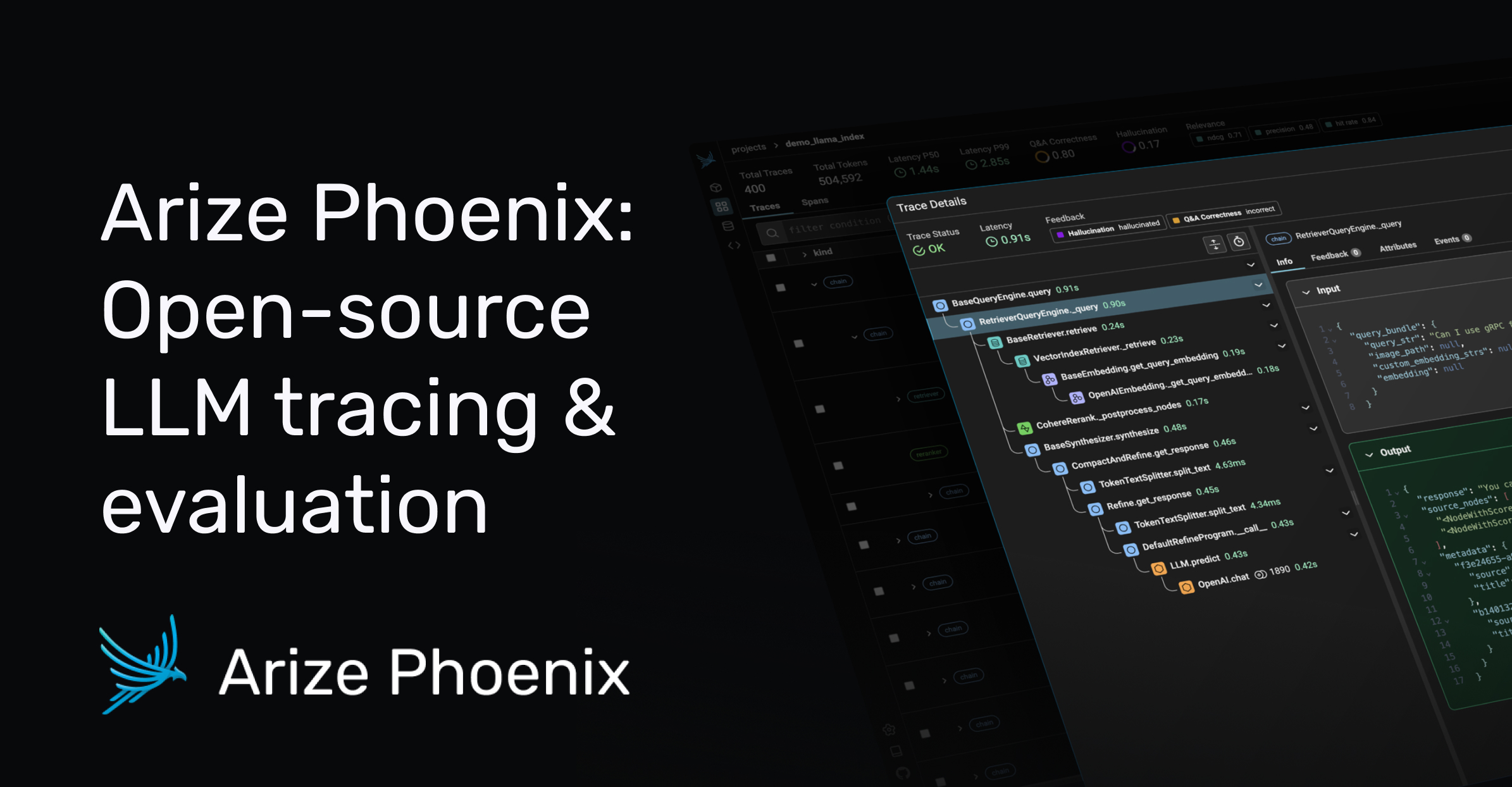
Phoenix is an open-source platform designed for AI agent development and evaluation. It provides comprehensive observability, tracing, and evaluation tools to help AI engineering teams build, monitor, and improve their AI applications. - AI Agent Development: Build and test AI agents with integrated tracing and debugging tools. - Observability & Monitoring: Gain deep insights into AI agent performance and behavior. - Evaluation & Benchmarking: Measure and compare AI agent capabilities with built-in evaluation frameworks. - Self-Hosting: Deploy Phoenix locally or in your own infrastructure for full control. - Integration with Coding Agents: Works seamlessly with popular coding agents like Claude, Codex, and Cursor. - Open-Source: Fully open-source under Apache 2.0 license. - Enterprise-Grade: Used by Fortune 500 companies for production AI deployments. Phoenix is open-source and can be self-hosted using Docker, Kubernetes, or directly via CLI. It supports Python and TypeScript SDKs for easy integration with existing AI workflows. Documentation and quick-start guides are available for local setup and production deployment.

Open-source AI agent observability platform
Latitude is an open-source AI agent observability and monitoring platform designed to help teams debug, monitor, and improve their AI agents in production. - Self-Healing Agents: Automatically detects failures in production AI agents and dispatches coding agents (like Claude Code or Cursor) to fix issues with minimal intervention. - Conversation Intelligence: Analyzes completed sessions to extract behavior patterns, escalations, resolutions, and failure modes. - Automatic Issue Discovery: Groups recurring failures, prioritizes them, and provides trend analysis with failing traces attached. - Real-Time Alerts: Sends notifications via Slack, email, or webhooks when new issues are detected or existing ones escalate. - OTEL Compatibility: Integrates seamlessly with OpenTelemetry pipelines without proprietary formats or vendor lock-in. - Custom Signals: Allows defining custom signals for tracking specific failure modes, policies, or quality checks. - Dataset Management: Automatically builds golden datasets from validated production traces for evaluation and regression testing. - Human Annotations: Enables inline feedback on traces, spans, or outputs to improve structured signal collection. - Advanced Filters: Supports semantic search, exact text, and metadata filters for cohort analysis (e.g., "frustrated users on GPT-5.5 in prod after the May release"). - Failure Mode Clustering: Groups similar failing traces into issues with examples, trends, and affected user metrics for efficient triaging. Latitude is open-source and can be self-hosted. It supports integration with existing OpenTelemetry pipelines and provides an MCP server for running the entire monitoring loop within your editor. The platform is designed to scale with production workloads and offers comprehensive documentation for setup and customization.

Open-source workspace for building AI agents

Agenta is an open-source workspace designed for building, improving, and sharing AI agents. Whether you're working solo or with a team, Agenta provides the tools to create agents through natural language, refine them with feedback, and deploy them seamlessly. - Chat-based Agent Building: Create custom agents by describing tasks in plain language, eliminating the need for complex coding. - Feedback Loops: Continuously improve agents by collecting and integrating user feedback directly into their workflows. - Team Collaboration: Share agents with your entire team, enabling collaborative development and deployment. - Automation: Schedule agents to run at specific times or trigger them based on events, ensuring they work even when you're not active. - Multi-Model Support: Use self-hosted models or integrate with popular providers like Claude, ChatGPT, or others without changing your agent's code. - MCP & Tool Integration: Connect agents to over 20 tools and services, including GitHub, Slack, Linear, Notion, PostgreSQL, and more. - Pre-built Templates: Start with ready-to-use templates for engineering, customer support, sales, knowledge management, and operations. - Open Standards: Agents are defined by AGENTS.md files, skills, and MCP tools, allowing easy swapping of harnesses, models, or runtimes. Agenta is fully open-source and can be self-hosted on your own infrastructure. It supports local model runners, making it compatible with existing subscriptions like Claude or ChatGPT. The platform is designed for flexibility, allowing you to deploy agents in the cloud or on-premises based on your needs.

Open-source AI agent observability platform
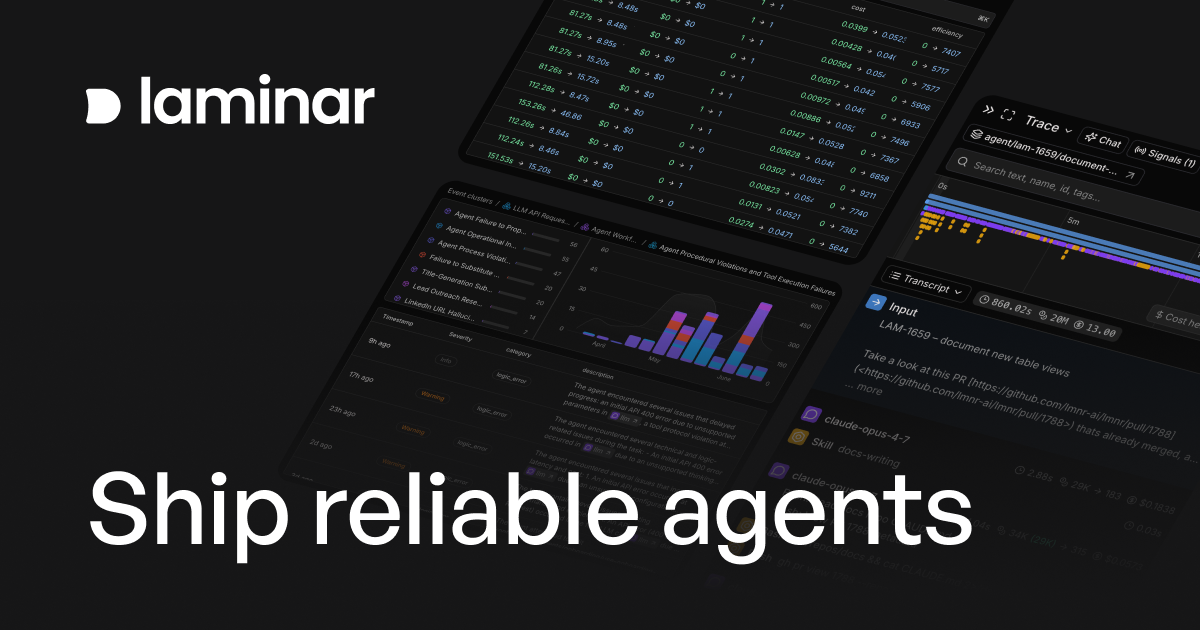
Laminar is an open-source platform designed to help developers trace, evaluate, and debug AI agents in production. It automatically captures agent interactions, costs, and failures, providing actionable insights to improve reliability. - Automated Tracing: Capture LLM calls, tool invocations, sub-agents, costs, and tokens in a readable transcript view. - Failure Detection: AI-powered Signals analyze every agent run to surface unexpected failure modes without manual configuration. - Signal Clustering: Group similar failures into patterns for high-level insights and trend analysis. - Real-time Alerts: Receive notifications in Slack about new failures and clusters. - Debugging Tools: Use the CLI and MCP to query traces, replay checkpoints, and verify fixes. - Cost & Performance Monitoring: Visualize agent costs and performance with heatmaps and detailed metrics. - Integration-Friendly: Works with popular AI frameworks and tools for seamless adoption. Laminar is open-source (Apache 2.0) and can be self-hosted. The platform supports Docker-based deployments and integrates with existing infrastructure. Documentation and setup guides are available on the official website.

AI agent testing and evaluation platform

AI agent testing and evaluation platform that transforms unpredictable agents into reliable production systems. LangWatch provides simulations, evaluations, observability, and governance to ensure your AI agents perform consistently before and after deployment. - Agentic AI Testing: Run realistic user scenarios against your agent to catch issues before production - LLM Evaluation: Measure response quality and accuracy to ship agents that hold up in production - LLM Observability: Trace every agent step and monitor cost and latency with full production visibility - AI Governance: Govern every model, key, and tool with virtual keys, budgets, routing policies, and audit trails - Prompt Management: Version, deploy, and A/B test prompts as code with full history and GitHub sync - Voice AI Testing: Simulate and test voice AI agents at scale before customer interactions - LLM Red-teaming: Uncover safety and security gaps through simulated attacks - Spec-driven Testing: Automatically turn requirements into agent tests for continuous improvement - Self-improving Loops: Set up automated agent improvement cycles based on production traces - CI/CD Integration: Run scenarios locally and in CI pipelines with no separate setup LangWatch is open source and can be self-hosted in 15 minutes. The platform supports local development, CI/CD integration, and enterprise-grade deployment options. Documentation is available at docs.langwatch.ai. Technologies include: - TypeScript/JavaScript for core platform - PostgreSQL for data storage - Redis for caching and real-time features - Docker for containerization - Kubernetes for orchestration (enterprise deployments) Self-hosting is supported via Docker Compose and Kubernetes Helm charts. Enterprise features include advanced security, SSO, and dedicated support.

Open-source LLM observability and monitoring platform
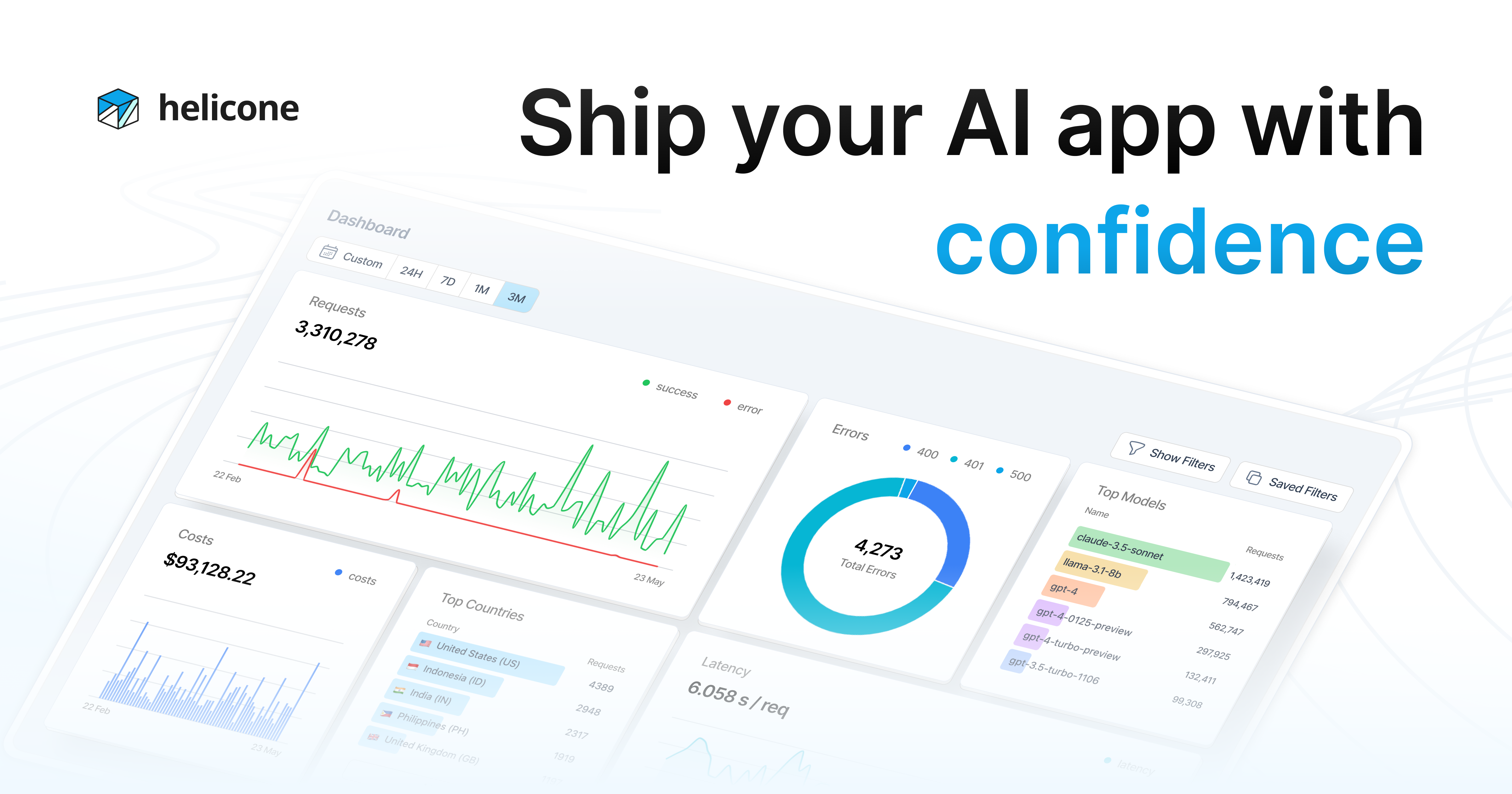
Helicone is the LLMOps platform powering the fastest-growing AI companies. It enables developers to route, debug, and analyze their AI applications with real-time observability, monitoring, and analytics. - LLM Observability: Real-time monitoring and debugging of LLM interactions. - AI Gateway: Route requests to multiple LLM providers seamlessly. - Analytics Dashboard: Track performance, usage, and costs across models. - Prompt Management: Store, version, and optimize AI prompts. - Rate Limiting & Alerts: Prevent abuse and get notified of anomalies. - Multi-Provider Support: Integrate with OpenAI, Anthropic, Azure, and more. - HQL (Helicone Query Language): Query and analyze AI interactions efficiently. - Datasets & Playground: Test and refine AI models with interactive tools. Helicone is open-source and can be self-hosted. It supports integration with major LLM providers and offers a cloud-based solution for ease of use. The platform is designed for scalability and reliability, making it suitable for both small projects and enterprise-level AI applications.

AI agent observability and evaluation platform
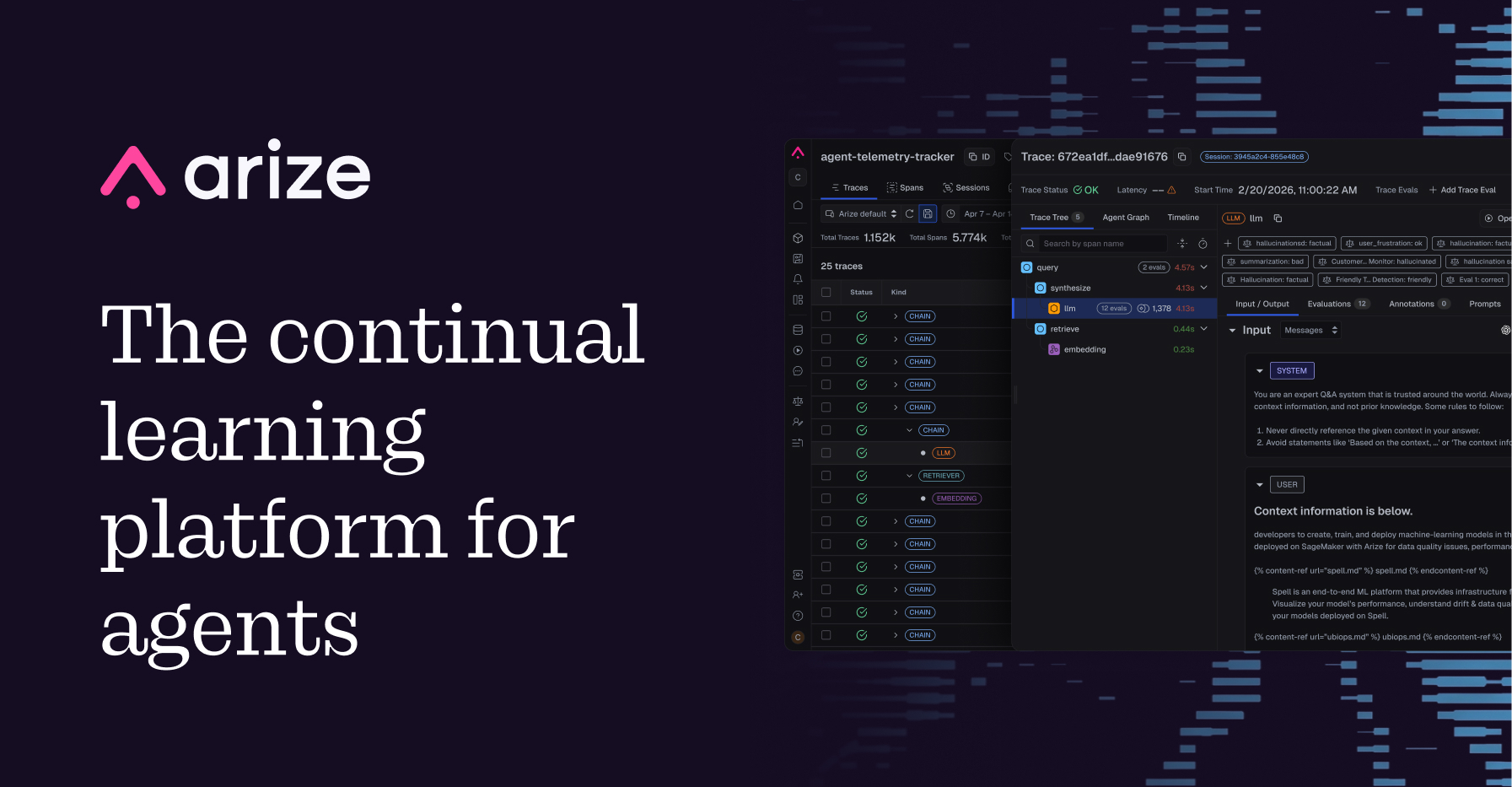
Arize AI provides a comprehensive platform for observing, evaluating, and improving AI agents in production. The platform helps teams trace agent workflows, assess performance, and implement continuous learning cycles to enhance agent capabilities. - Agent Observability: Real-time monitoring of agent workflows, inputs, and outputs - Evaluation & Scoring: Automated evaluation of agent responses and performance metrics - Tracing & Debugging: Detailed trace logs for troubleshooting and optimization - Continuous Learning: Feedback loops to improve agent decision-making over time - Multi-Agent Support: Tools for managing and coordinating multiple AI agents - Integration Hub: Connects with popular AI tools like Claude Code, Codex, Cursor, GitHub Copilot, and Gemini - Open-Source Option: Phoenix OSS for self-hosted observability and evaluations - Managed Platform: Arize AX available as a cloud service - Open-Source Core: Phoenix OSS available on GitHub for self-hosting - CLI Tools: Easy setup via npx for quick deployment - Multi-Platform Support: Works across Linux, Windows, and macOS
About Braintrust
Braintrust - The active observability platform for agents
Braintrust is the AI observability platform designed to help teams ship quality agents at scale. It provides real-time tracing, automated evaluation, and regression detection to catch issues before they reach users.
Key Features of Braintrust
- Real-time Agent Tracing: Inspect prompts, responses, and tool calls across millions of logs with customizable views and annotations
- Automated Evals: Define quality benchmarks and score outputs using LLMs, code, or human reviewers with versioned datasets
- Pattern Discovery: Automatically surface production patterns with Topics, enabling continuous online scoring and quality gates
- Loop Agent: AI-powered optimization that generates better prompts, scorers, and datasets based on your optimization goals
- Custom Facets: Define business-specific dimensions (use case, compliance, tone) for targeted trace analysis
- Framework Agnostic: Works with any stack through native SDKs (Python, TypeScript, Go, Ruby, C#) and zero vendor lock-in
- Brainstore Database: Purpose-built database for complex agent traces with superior search and query performance
- Enterprise Security: SOC 2 Type II, GDPR, HIPAA compliant with SSO/RBAC and hybrid deployment options
- MCP Integration: Connect your IDE to Braintrust for direct log querying, eval execution, and prompt updates
Tech / Self-Hosting
Braintrust is a fully managed SaaS platform with optional hybrid deployment capabilities. The Brainstore database can be deployed on your own infrastructure while maintaining cloud-based management. Native SDKs support multiple programming languages for easy integration into existing workflows.